
#FIAAcademyTrophy
Massive Learning Experience at the FIA Academy Trophy for Da Silva
This past weekend, we travelled to the beautiful country of Belgium to check out the first round of the 2026 FIA Academy Trophy and support Leo Da Silva, who is representing Canada this season in the Academy, taking place at the incredible Karting Genk circuit, about 100km east of Brussels.
The competition was paired with the first round of the FIA European Karting Championship for the KZ and KZ2 Shifter categories.
Along with the 50 drivers competing in the academy this year, there were 25 KZ drivers, the most elite category for international karting and 83 drivers in KZ2, where elite talent is on display. Factory Team efforts from all the major players, TonyKart, BirelART, defending World Champions SodiKart, CRG, Kart Republic and many more filled up the paddock. There was also a number of privateer efforts in the KZ2 division.
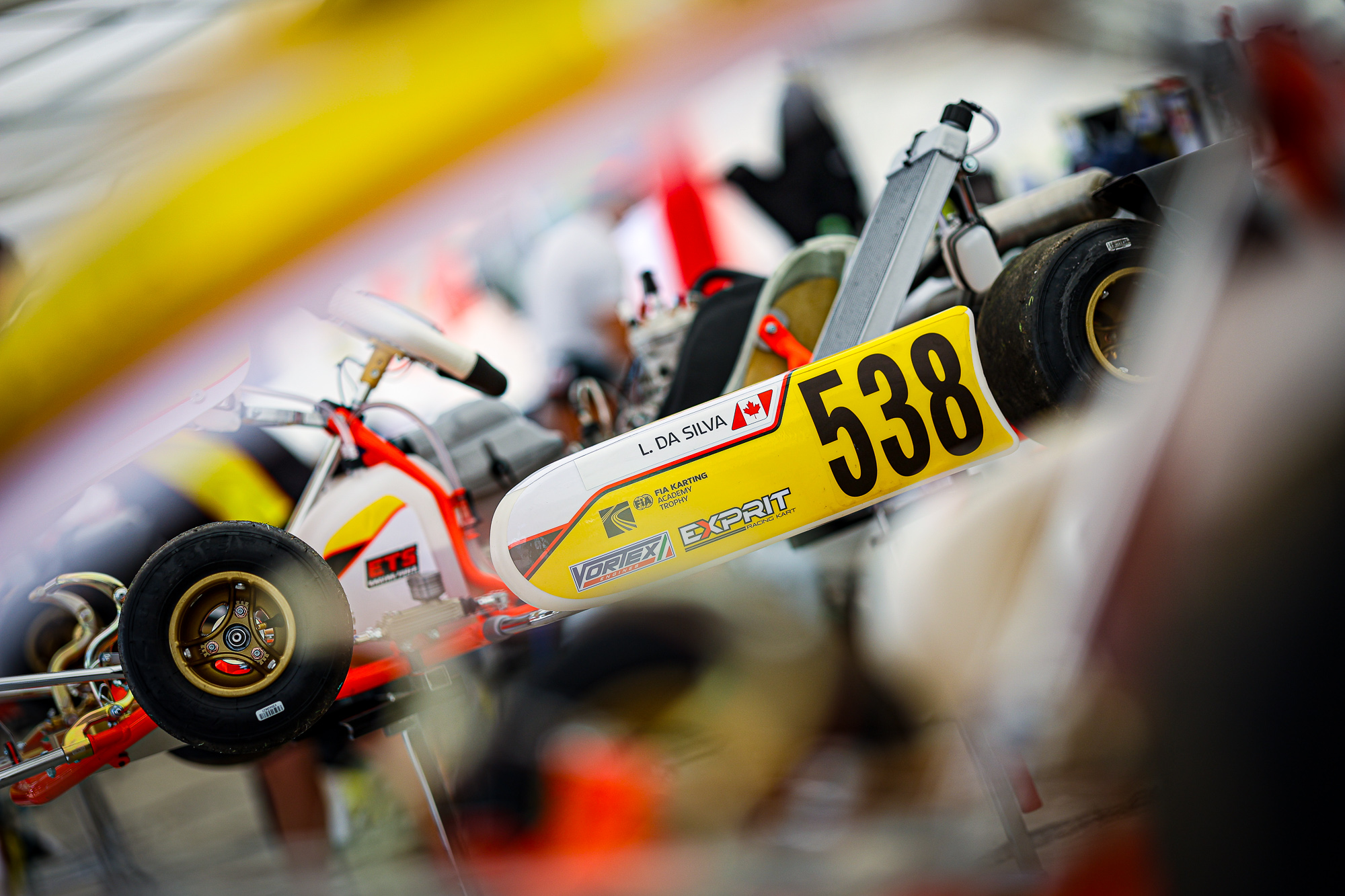
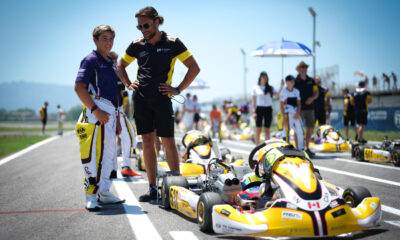
For the FIA Academy drivers, they were pitted in their own section of the paddock with each of the 50 drivers getting their own 10×10 tent, along with their supplied Exprit chassis and Vortex OK-J engine. For many drivers, this is their first opportunity to race the OK-J engine platform, and with that in mind, the first day of practice featured four 15-minute sessions of track time with hot-pit available.
Taking notes throughout the weekend of just about everything, here is our view from start to finish for Leo Da Silva and the FIA Academy Trophy.
The process to get selected and the support of our ASN: GDS Canada
Everything started months ago when Leo Da Silva and his father reached out to GDS Canada, our governing body for motorsport in Canada, about competing in this unique program. Guided by some suggestions from fellow karting parents, Da Silva became very interested at the end of 2025 and began the lengthy process for approval to compete, as each country gets to nominate only one driver each year.
Thanks to all the help of Elise at GDS, Da Silva’s application was submitted on time and received approval about a month before the first race.
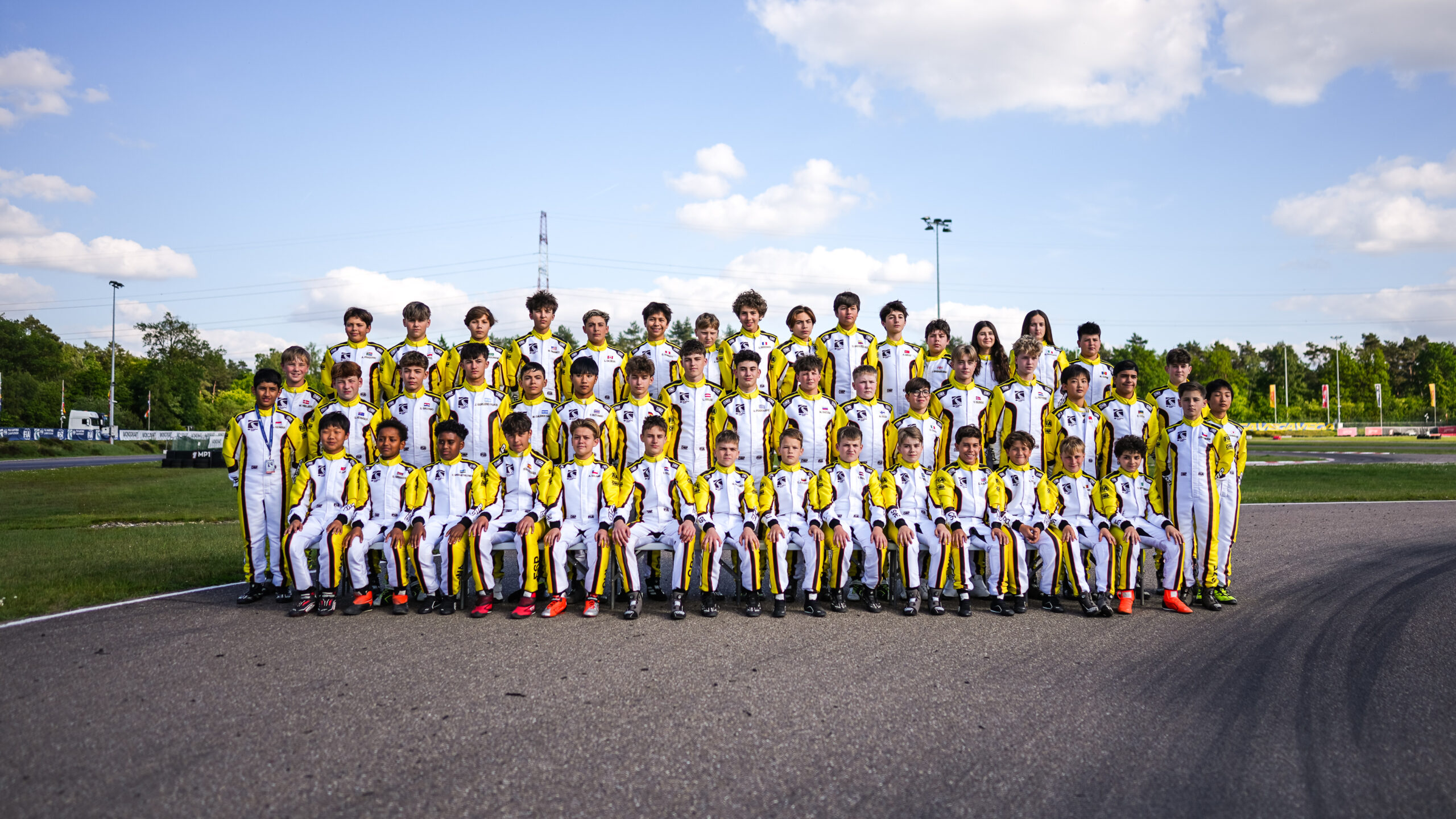
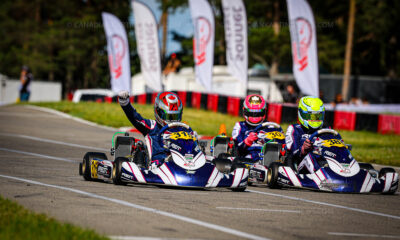
The FIA Academy Trophy Junior class of 2026 – Photo by: KSP Photo Agency
It all started in Brussels – the home of chocolate, waffles, frites, funny water fountains and the central location of the EU.
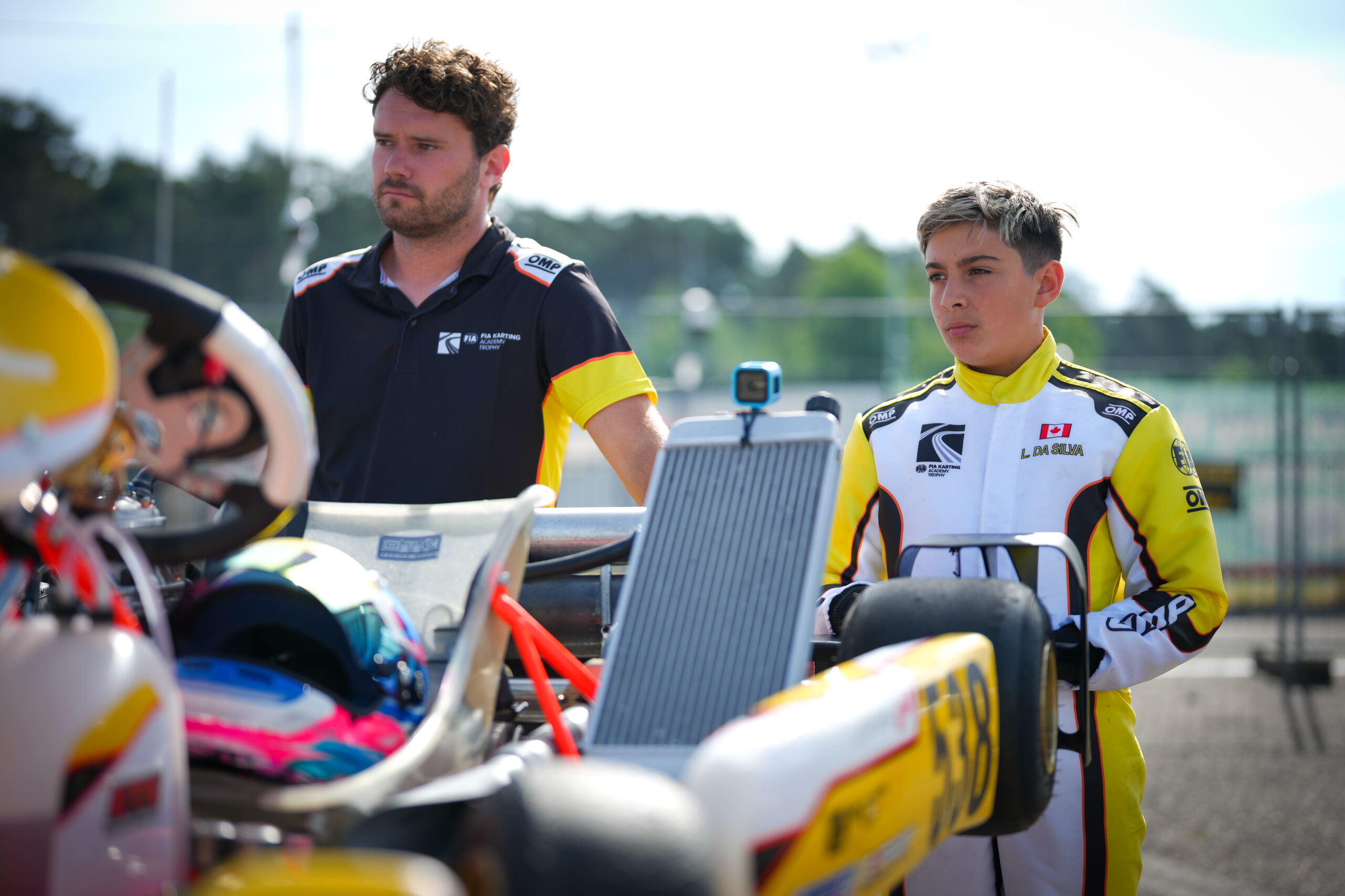
Flying into Brussels, Leo helped overcome the jet lag by spending the first two days as a tourist, along with making his first visit to the Karting Genk circuit for a track walk with Kevin Monteith of Racing Edge Motorsports, Leo’s mechanic and coach for the weekend.
We met up with the boys in Brussels on their second day, touring around the city of Brussels, enjoying everything the beautiful city had to offer. After a long two days of travel, it was time to rest before the first proper day of the event.
Karting Genk – What a circuit!
Wednesday was check-in day for the FIA Academy. Drivers and entrants had to go through the process of getting their passes, selecting their pit spot (drivers got to select where they wanted to be and if they wanted to pit beside a familiar face), picking up the chassis and getting everything prepped for the first day of practice on Thursday.
Da Silva met up with Marco Sammut, this year’s representative from the USA, and the pair put up their driver signs together to pit beside each other.
While Monteith went to work on preparing the kart to Leo’s preferences, Da Silva had to go through technical checks for all of his race equipment.
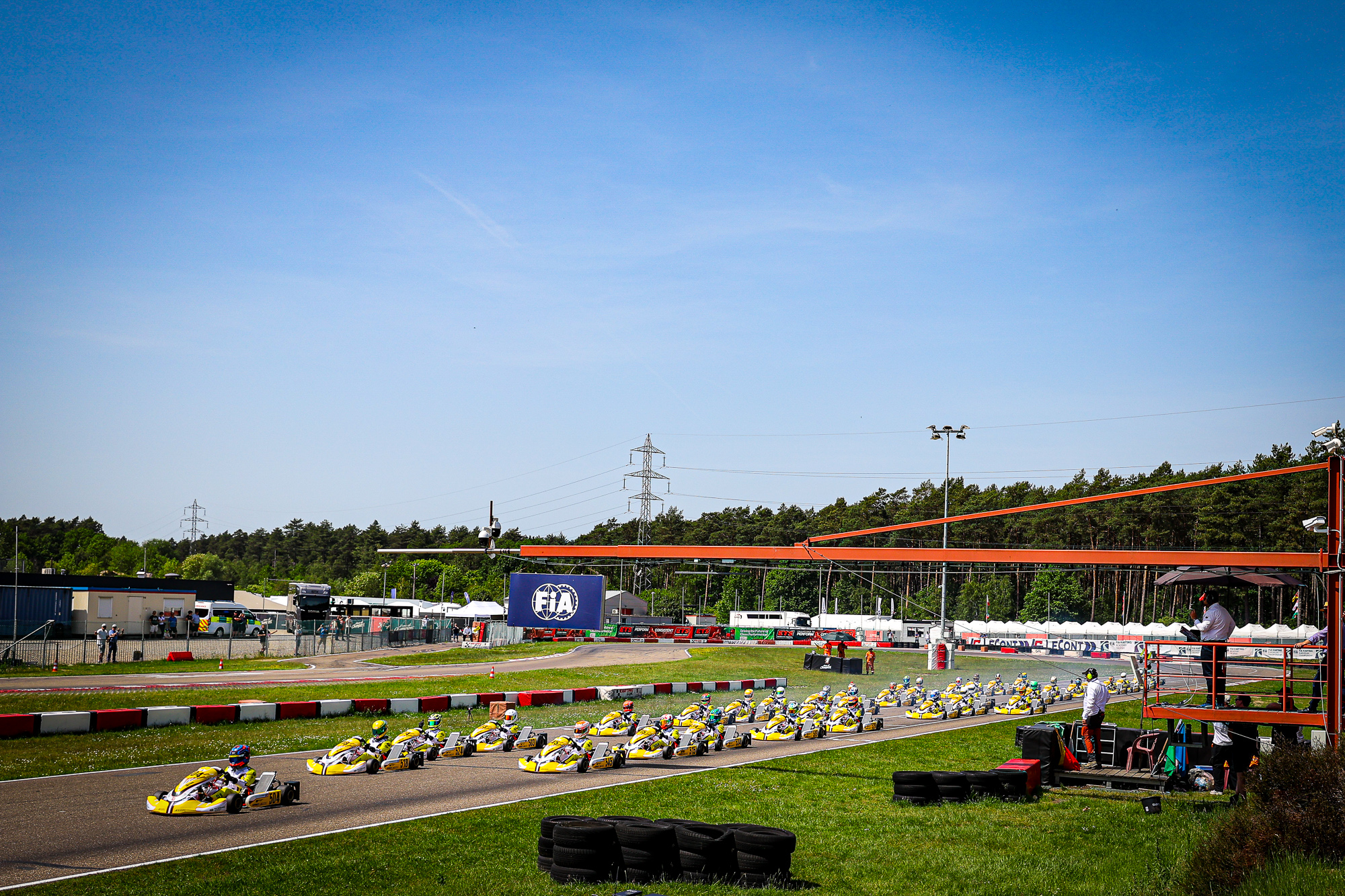
Every driver in identical equipment (Photo by: Cody Schindel / CKN)
Working first-hand with Kevin Monteith
Back home, Da Silva races with Kevin Monteith’s team Racing Edge Motorsports, but it was a different experience in Belgium, where Kevin traded in his team management hat for mechanics’ wrenches.
Getting to work first-person with Monteith showed a slightly different side to the former Canadian champion kart racer. With the entire focus on him, there was so much more to learn and accept than back home, where a team shares data and information amongst a large group of drivers.
For Monteith, it was also a great opportunity to focus his talents on just one driver for a change, bringing him back to his early days of REM when the team was much smaller and still developing.
Driving the track is so much different than at home. The rubber, the marbles, the tires, and the competition
On Thursday, the Academy drivers finally got to hit the track. The 1.36KM Karting Genk circuit is incredibly fast with many high-speed flowing corners and plenty of space for the OK-J engine to hit the rev limiter.
Every single North American driver learns very quickly when they go to Europe for the first time how different the rubber on track is, and the adjustment is very difficult for many of them, based on their driving style. Learning to trust the kart, changing the way you approach and roll through both high and slow speed corners, and how much more it beats the body up are all just part of the process.
Some adapt quicker than others, but after an hour of track time, the group of 50 drivers were separated by less than a second in the final timed session.
The parity of the Exprit-Vortex package was also on display. Throughout the entire event, randomly, the FIA would select drivers to trade engines, and to our understanding, there was never an issue. Nobody was ever off the pace or plagued by engine issues to miss a session.
For some, the biggest challenge was learning how to start the direct-drive OK-J package and for the mechanic who has to push start the driver, to quickly get out of the way once a driver is rolling.
Sharing the track with karting beasts – KZ Shifters
The Academy drivers shared the track with more than 100 KZ shifter karts. While the Academy used VEGA tires, the KZ’s utilized Le Cont tires.
This posed a challenge every time they took to the track as the rubber adjusted. The first Academy group was noticeably quicker each time they took to the track, while the second group had to execute early in their sessions to utilize the extra grip from the KZ categories.
Sharing the event with most of the best karting drivers and factory teams also meant an opportunity to learn from the sports elite, and when it came down to official sessions, nearly everyone in the paddock was trackside to watch the action.
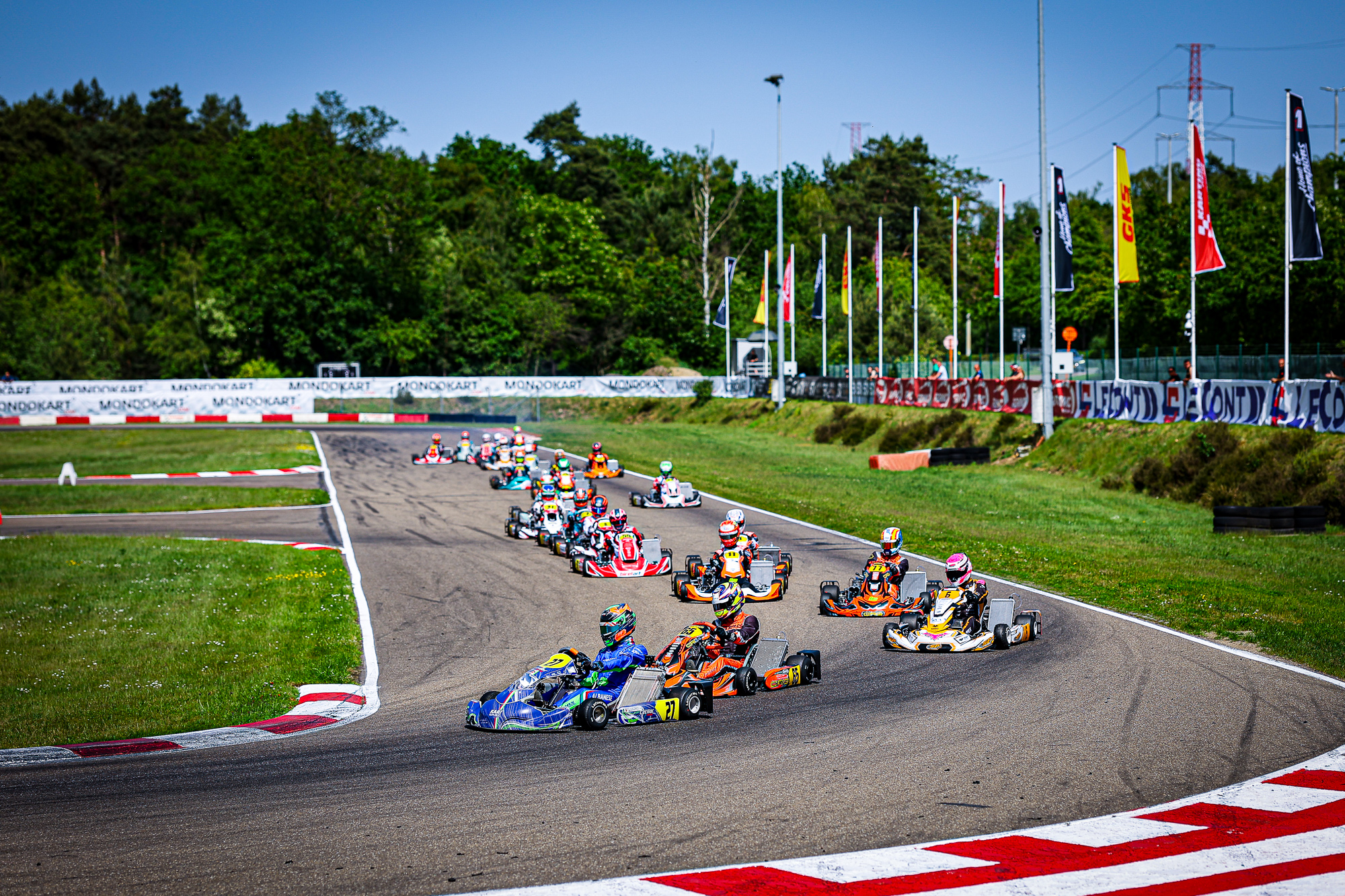
The KZ category was incredible to watch (Photo by: Cody Schindel / CKN)
Very warm weather added to the challenge
Leading up to the event, the weather looked to be on the cooler side, but that all changed on race weekend. Thursday through Sunday were blistering hot, with temperatures reaching well into the 30s each day and the sunshine blasting down on the track, creating even trickier track conditions to manage.
Drivers also needed to manage their hydration to ensure they could be their best when on track, fully suited up and sweating.
The difficulty of Qualifying and how you need to be perfect…or else
After six full practice sessions, Qualifying finally took place on Friday afternoon. Final practices were optimistic for Da Silva, and a plan was put in place for Qualifying. Leo would run in the first group and had a good group of drivers who commonly topped the practice sessions with him.
Getting to pre-grid in good time, Monteith lined up Da Silva with a group of drivers he felt would benefit the best…until something unfortunate happened.
When the session started, most drivers waited about a minute before taking to the track. When the flurry started, karts and mechanics scattered leaving the grid, and unfortunately for Da Silva, one stalled just in front of him as he was leaving, forcing him to stop and require another push to get going. Sadly, this meant he was without his planned group and pretty much on his own in the short 6-minute session.
After overtaking one driver on his out lap, Da Silva had nobody in front of him for his push laps, and while he pushed hard, he could only muscle the 22nd best time of his group and 43rd overall, meaning he was starting each of his heat races from almost the back of the grid.
It was a tough pill to swallow, but thankfully, the weekend wasn’t over after Qualifying.
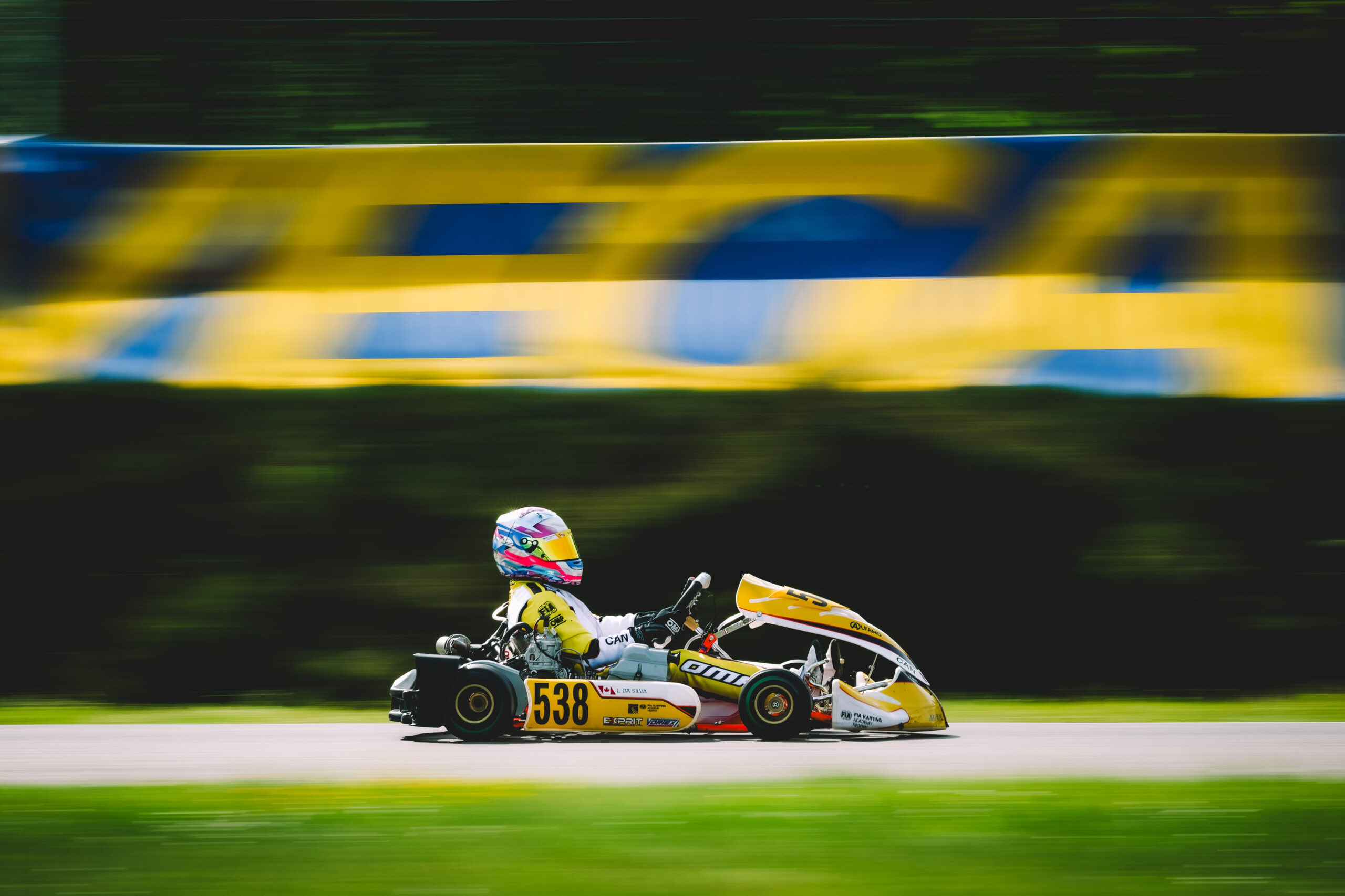
Photo by: KSP Photo Agency
A big comeback in the heats to make it into the Final
Drivers had three heat races to determine which 36 would make it to the Final on Sunday.
The first two were on Saturday, while the third was early Sunday morning.
Da Silva was a different driver on Saturday. In the pack, he was focused on moving forward in each heat race, and the first one was going very well as he was nearing the top-15 when disaster struck with three laps remaining. After overtaking a driver in corner six, he dove to the inside to defend his position going into corner seven. The driver behind pressed very hard and, in the braking zone, clipped the left rear of Da Silva, sending him spinning to the outside and into the barriers.
Heat one was over in a split second. Suddenly, the chances of making the Final got a lot more difficult.
That all changed in heat two, where Da Silva came back with vengeance. He powered his way up to twelfth at the finish line, performing a number of great overtakes and was promoted to P9 after penalties.
The unofficial ranking put Leo right on the money after two heats…P36 and one run left to go.
Sunday morning’s final heat race was tense. The start saw a number of drivers check up in the first two corners and Da Silva was forced to use the front bumper. Thankfully, the pushback system didn’t activate.
Driving with the need to push forward while also not getting into trouble saw Da Silva take a more cautious approach throughout the race, but he still moved forward every opportunity he had.
It was a great run. At the finish line, he was 12th, more than enough to make it into the Final. A huge sigh of relief after the disaster in Qualifying.
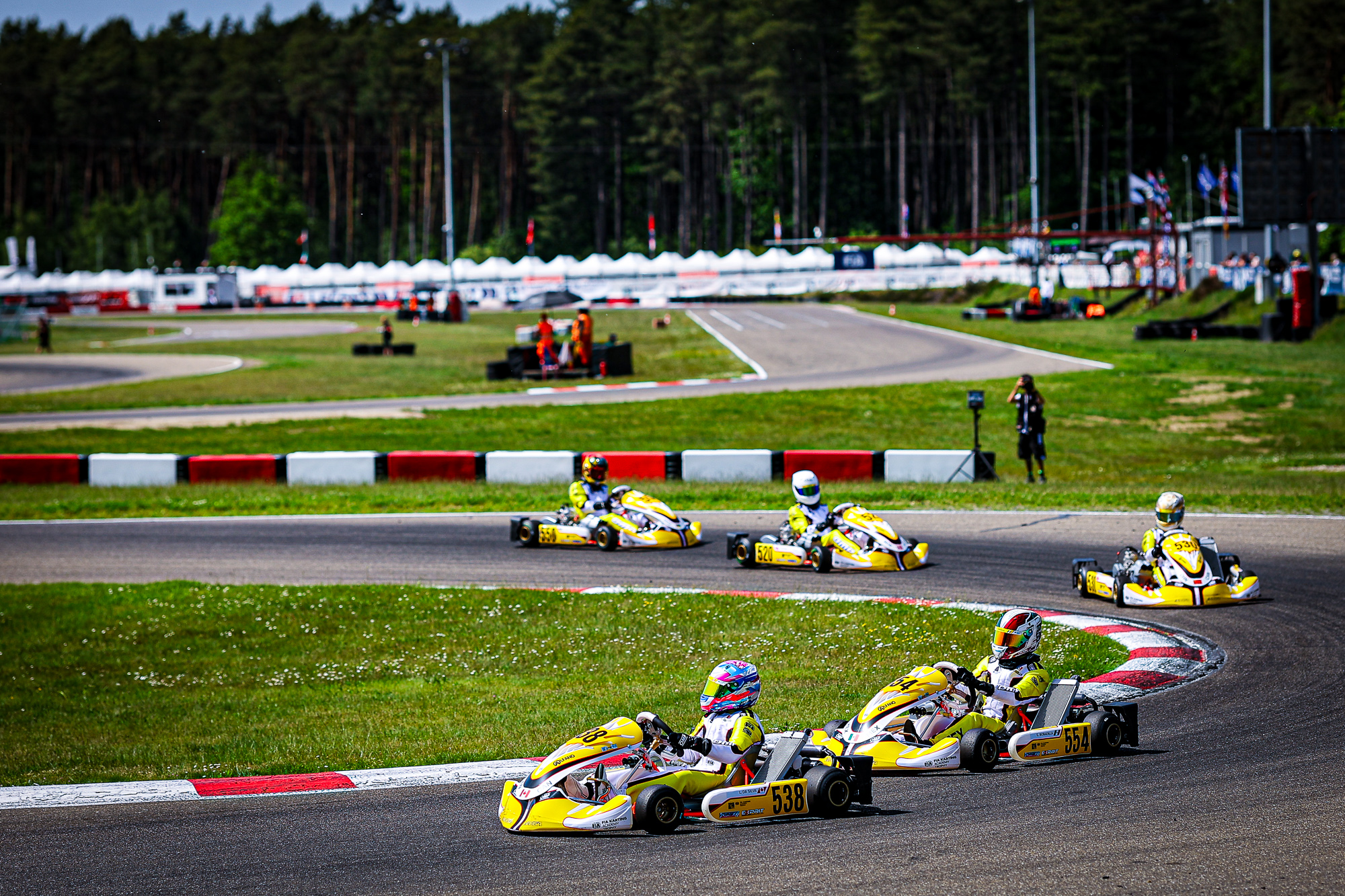
Photo by: Cody Schindel / CKN
Driver parade for the drivers who make it to the Final
The FIA and the event acknowledged all of the drivers who advanced into their Finals with a driver parade, personal congratulations, and a medal. Karting Genk also hosted a local musical showcase as part of the proceedings during the break before it was time to race.
All of the 36 drivers gridded up on the front straight and waited for the whistle to get started. For more than 15 minutes, the drivers had to stand in the blistering heat and prepare before finally getting their engines started.
Unlucky in many ways in the final
After the first start was waived off, the group charged into the opening corner for the 19-lap main event.
For the first time, a full grid of 36 was on track together and the opening lap saw a flurry of action from the front to the back. Da Silva dodged a pair of crashes in the opening sector and managed to get through the two tight hairpins, up a number of positions until he was forced wide. Once he was on the marbles, he slid well off track and through the grass, rejoining at the very end of the group.
Such a promising start, only to start all over again from the rear.
One thing to note for the Academy drivers, they did not get new tires for their Final. These drivers had to manage one set of tires from Qualifying to the Final.
One of the other challenges of learning to drive on a European circuit is tire management, and it is huge.
For Da Silva and the chaos that he endured during the heat races, there wasn’t much left on his VEGA tires in the Final, and a trip through the grass didn’t help.
Battling at the rear, he gave it his all, put down several great laps in the middle segment of the race, but ultimately finished 29th.
It wasn’t the result he wanted, but it was an experience he will surely not forget.
So much to review and prepare before round two
While it wasn’t the result he wanted, the FIA Academy Trophy is an opportunity for Da Silva to learn, and there was plenty of learning this weekend in Belgium. Not just for the next race, but for races back home and for the Rotax Grand Finals at the end of the season that Da Silva is already qualified for.
While juggling homework on the flight home, Da Silva was also unpacking the race weekend, understanding what he needs to do differently at the next one and how he can improve on his 29th-place overall finish.
Already looking forward to the next one – Sarno, Italy, a track he has raced before
The second round of the FIA Academy Trophy will take place at the Sarno International Circuit in southern Italy next month. This is a track that Da Silva has competed on before, as a MINI driver in the 2024 Rotax Grand Finals.
Still, he’s going to a track he’s familiar with, and that is motivating for him.
We can’t wait to see how he does, although sadly, we can’t be there.